H40 Tenor
Typology
Lakefront Single-Family House
Data
1’230m3 BV SIA416, 371m2 GFA, 305m2 FA
Status
under construction
Year
2022 - 2027
Collaboration
Studio Miskeljin,Visualisations


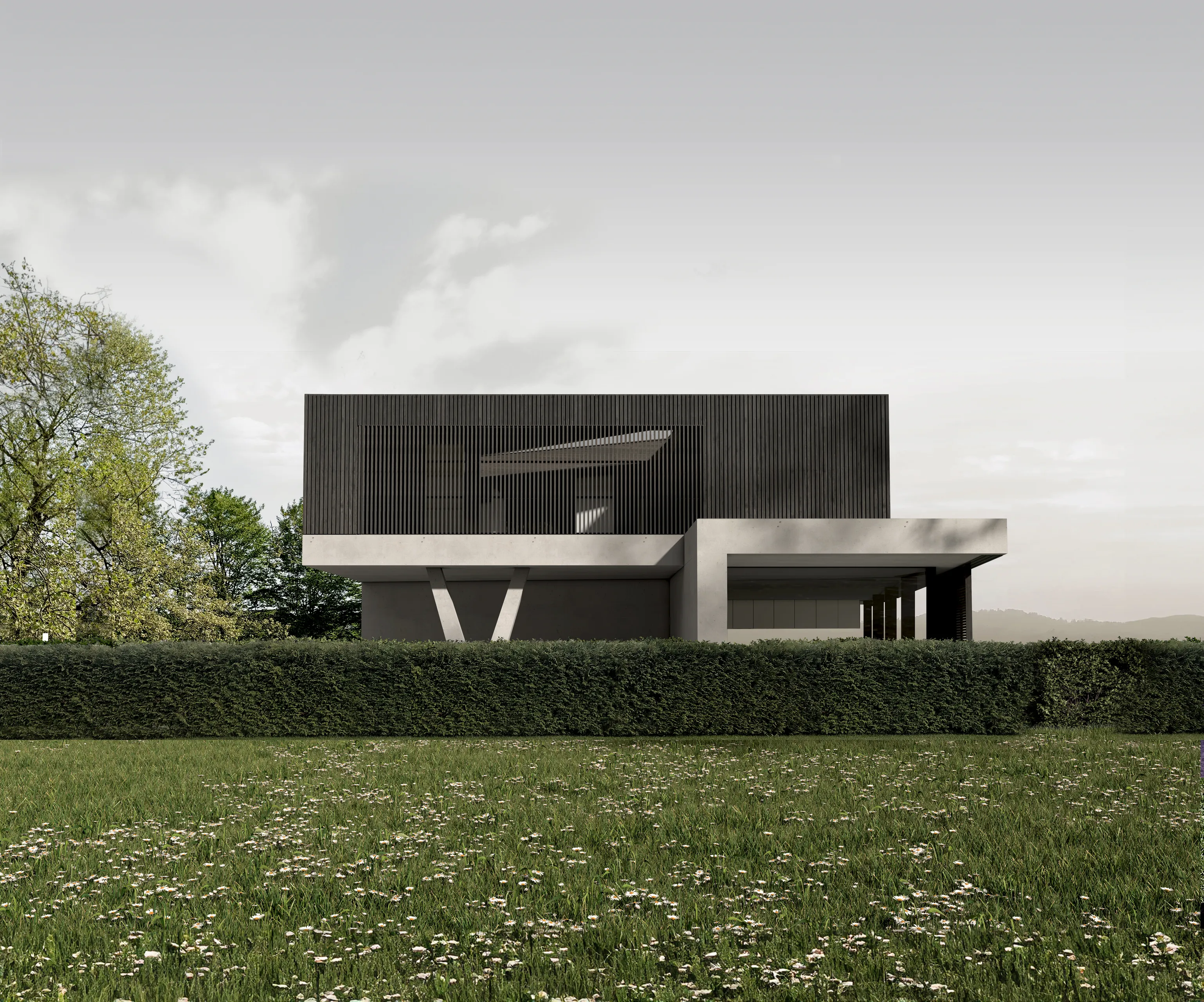
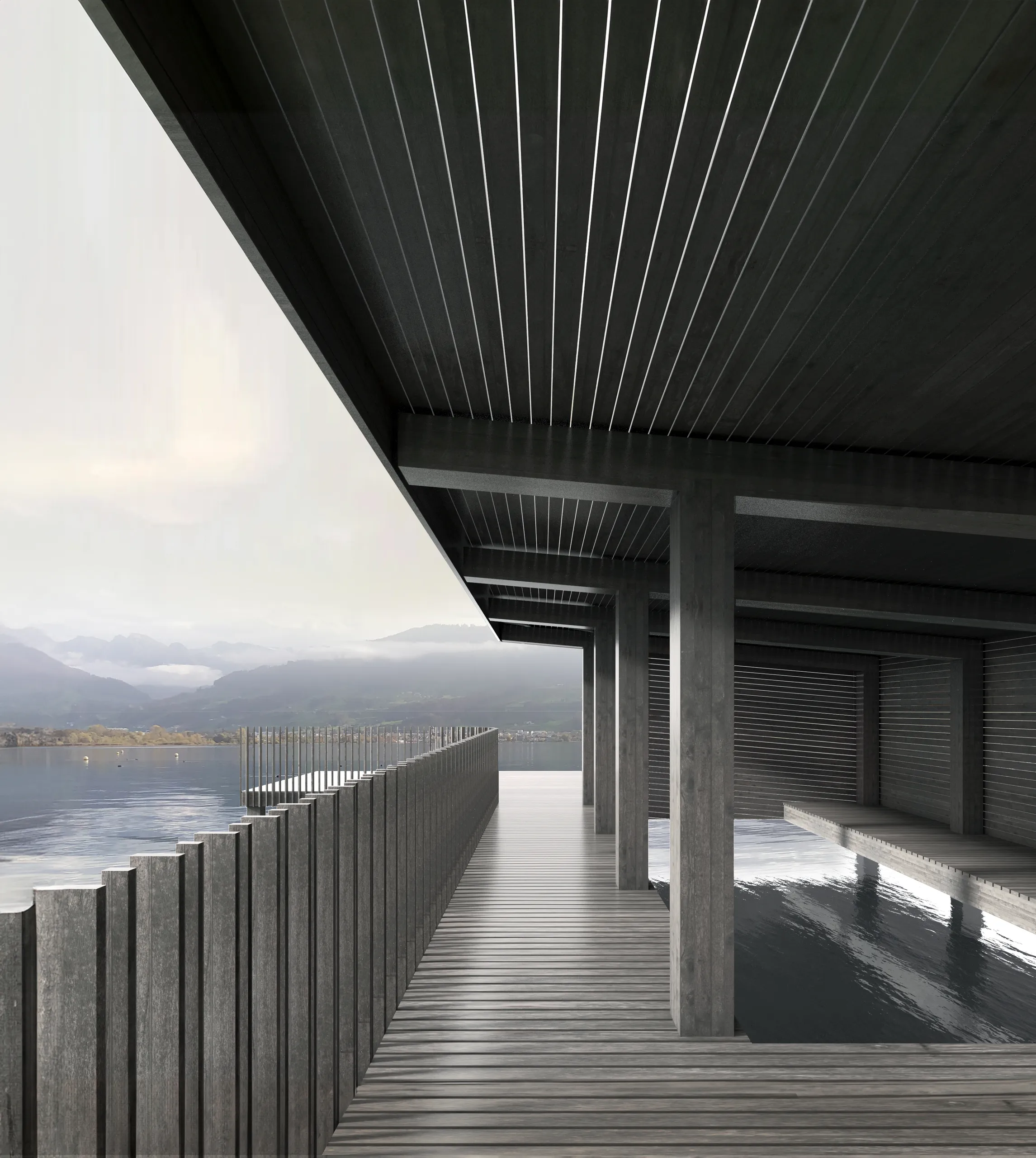
Between Landscape, Identity and Architecture
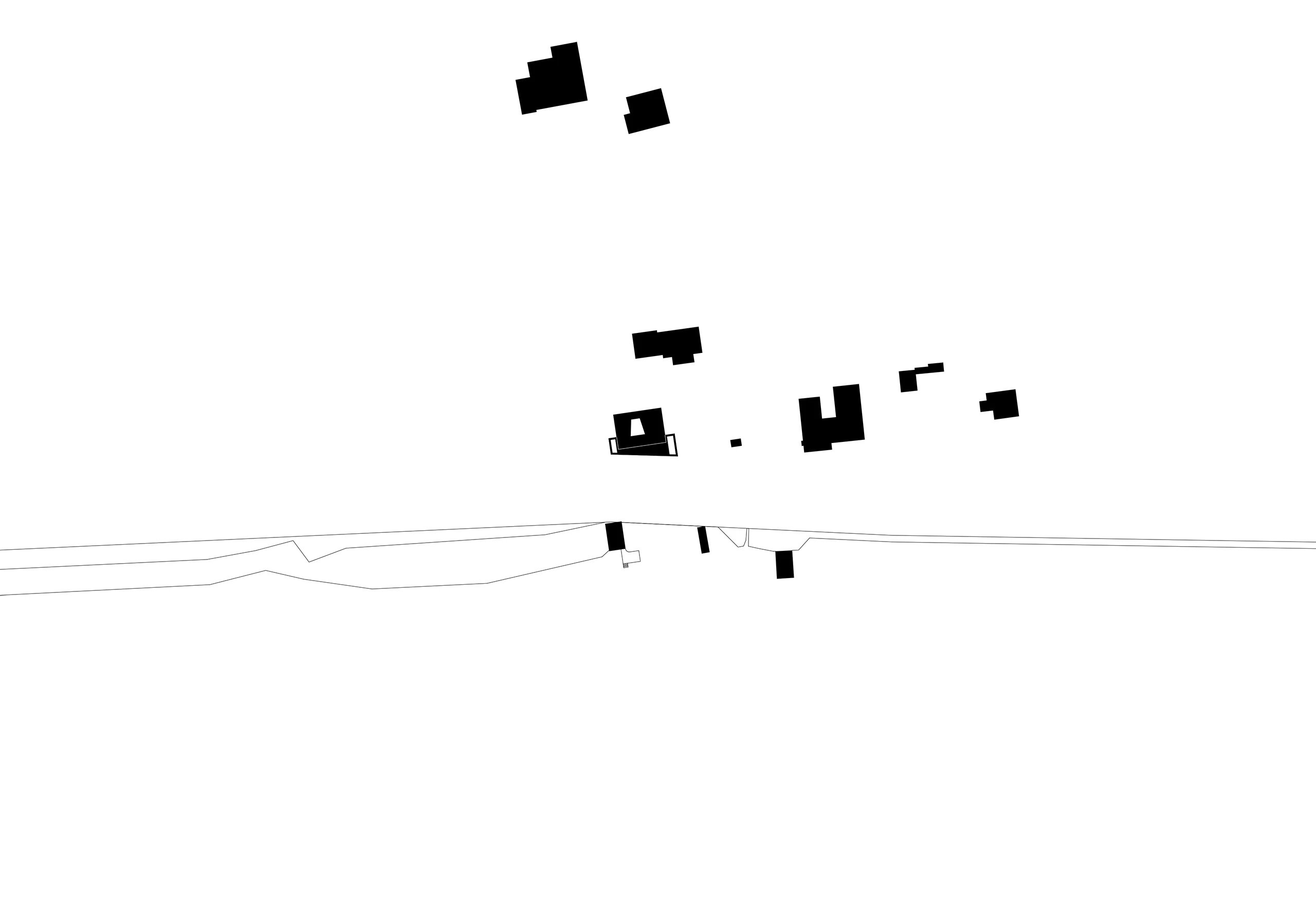
The Tenor project is located in one of the most ecologically and scenically sensitive and simultaneously most impressive sites along Lake Zurich: directly on the water, outside the building zone, nestled on a narrow plot with direct lake access. The location demands an architecture that is not only formally precise but also demonstrates a deep understanding of landscape, culture, and regulatory conditions.
Yet Tenor is more than an architectural project – it is also the expression of a biographical and cultural positioning: the family for whom this house is being built originally comes from Tibet and now lives in Rapperswil. Between these two worlds, a tension arises that fundamentally shapes the architectural concept: the skin of the house – its outer appearance of stained timber louvres, concrete, and vegetation – is strongly shaped by the site, the topography, and the light of Lake Zurich. The interior, by contrast, follows another logic: a contemplative, calm, almost meditative spatial sequence inspired by Tibetan spatial traditions.
Spatial Organisation: Built Along Depth
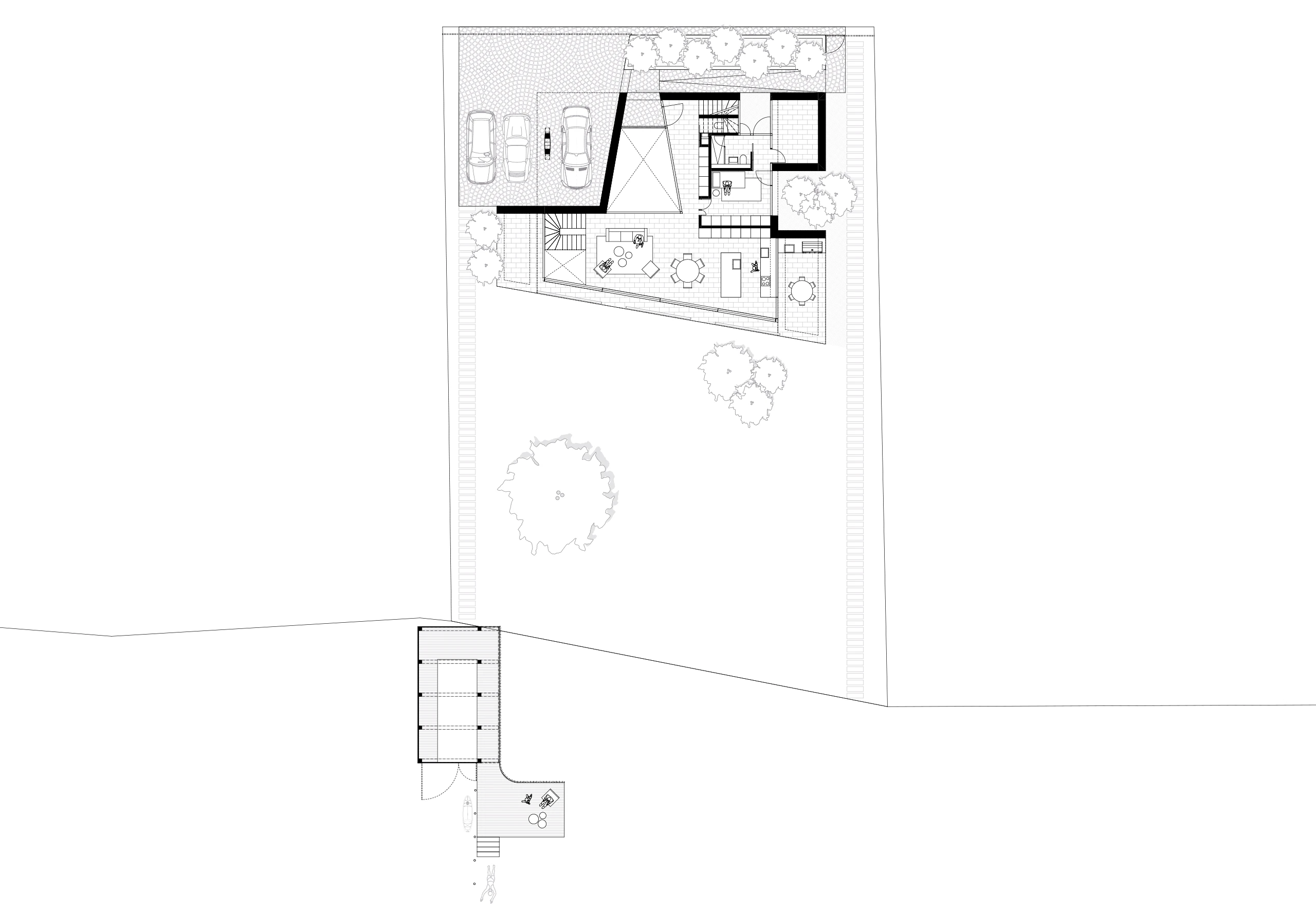
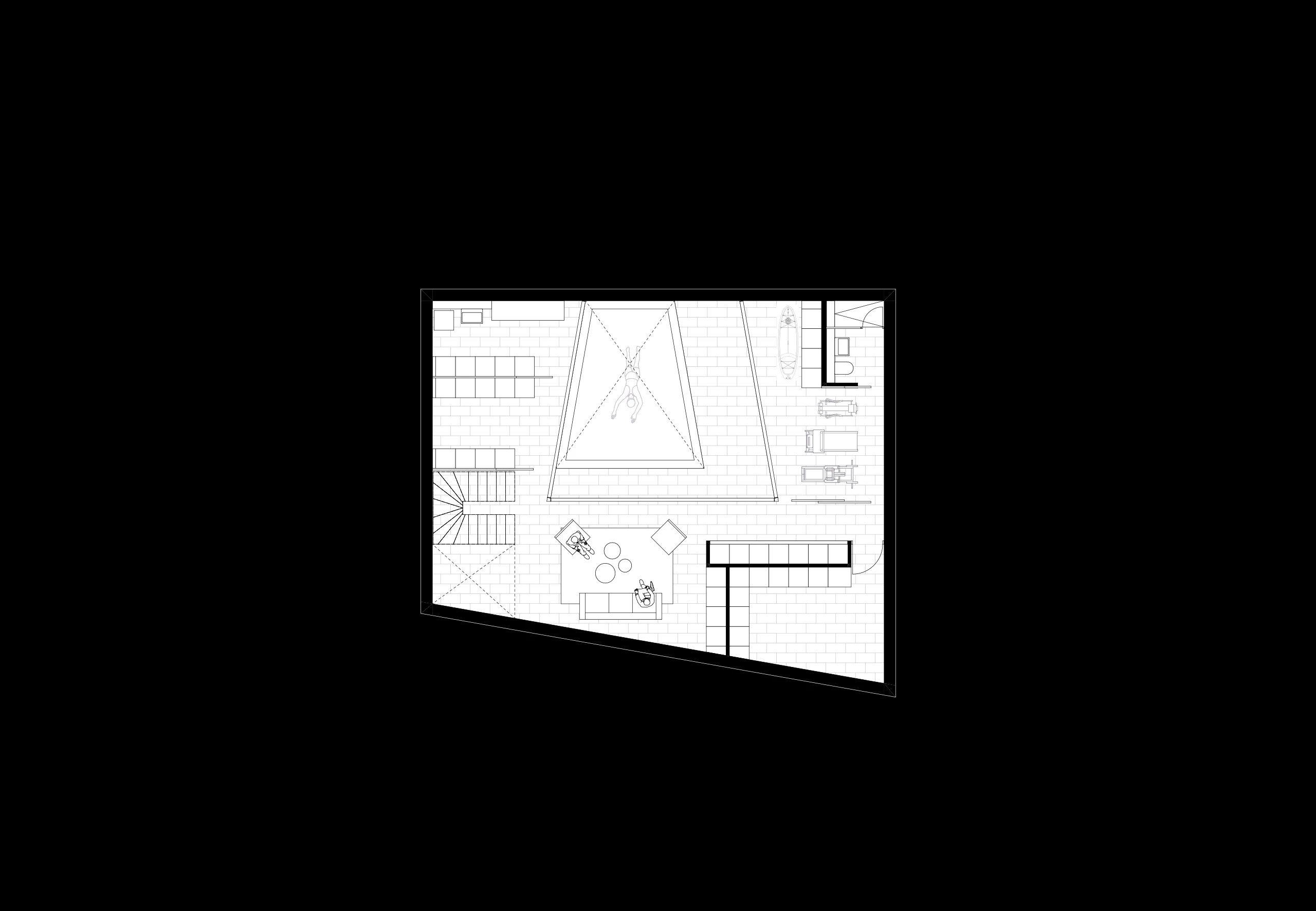
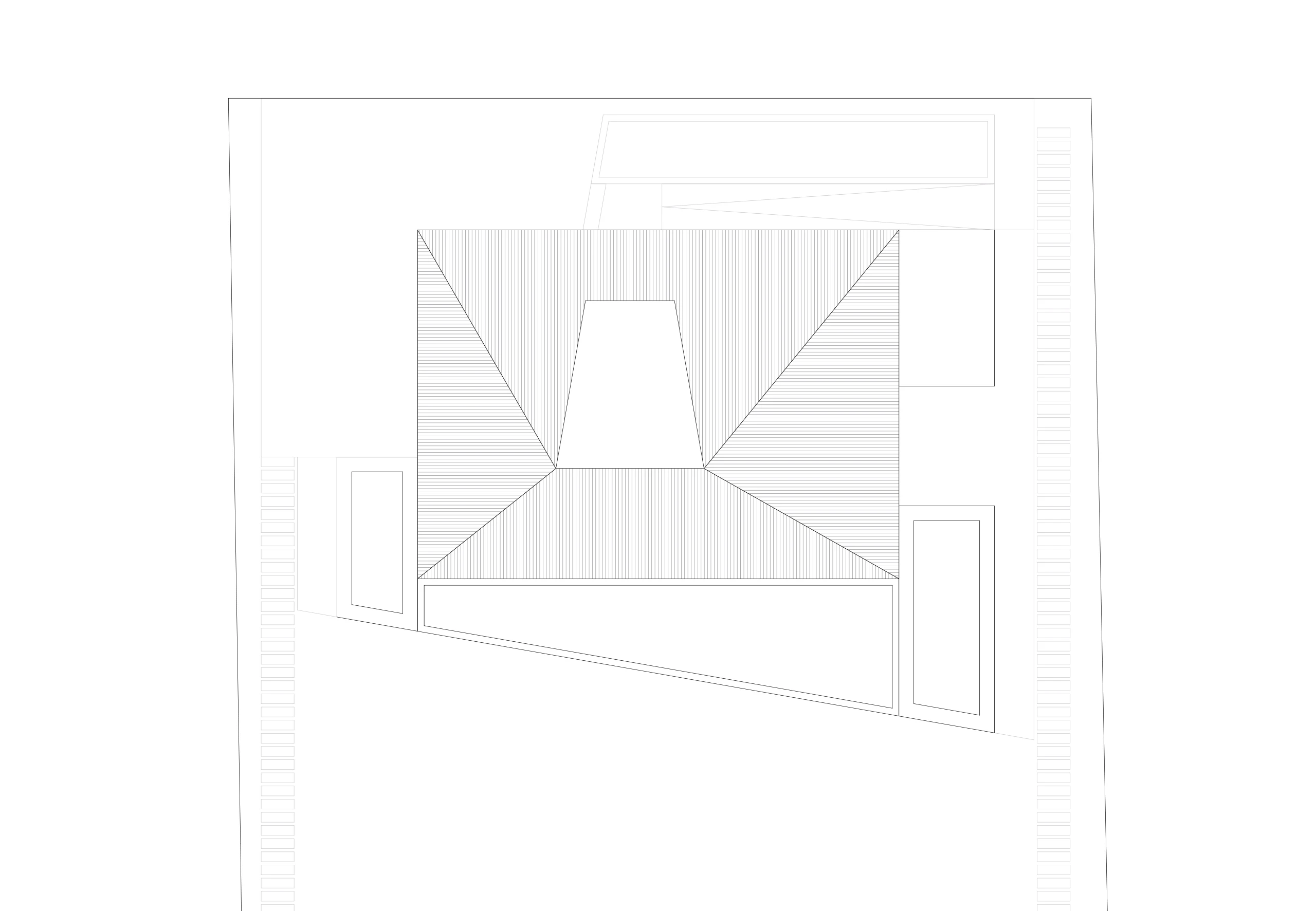
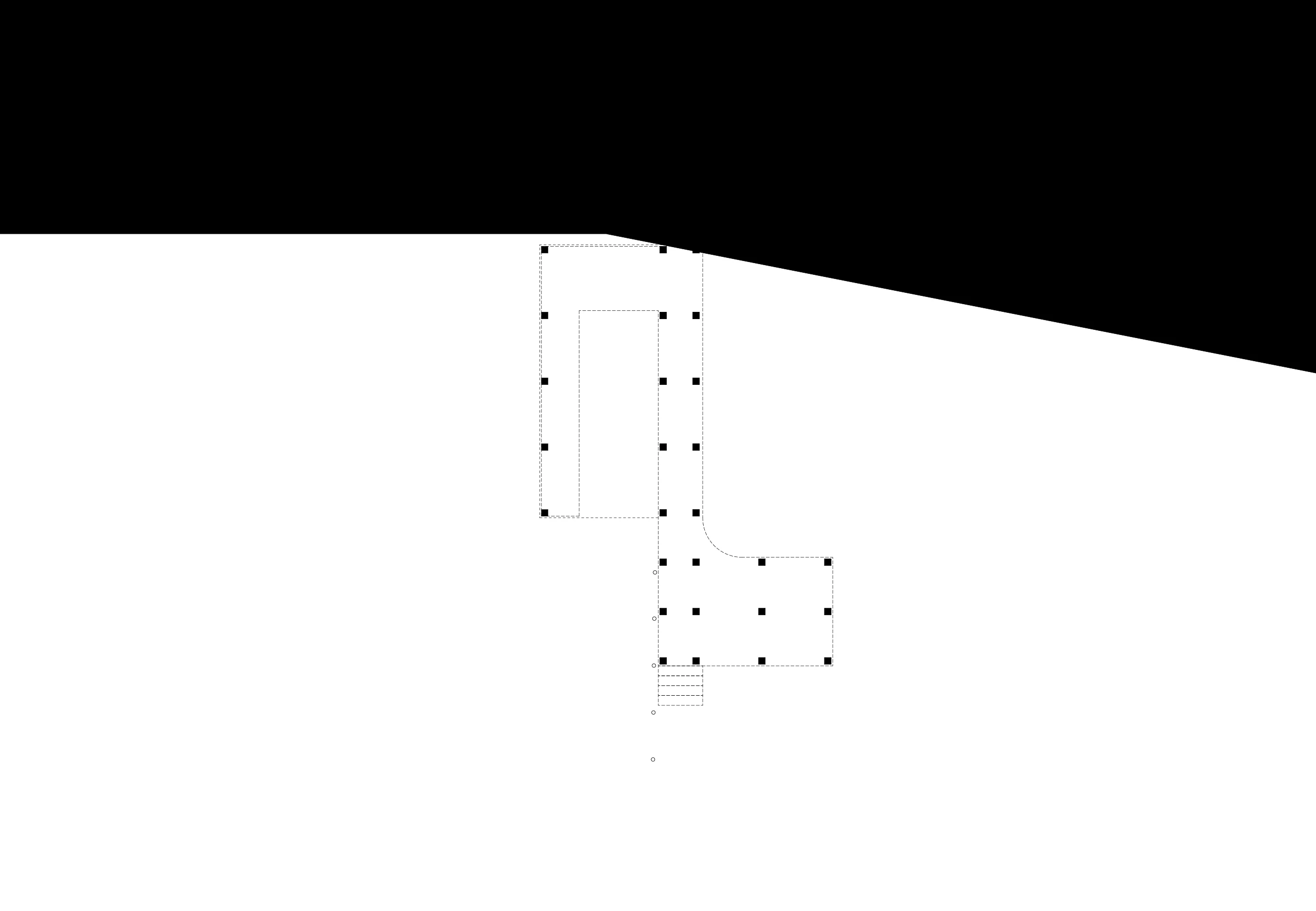
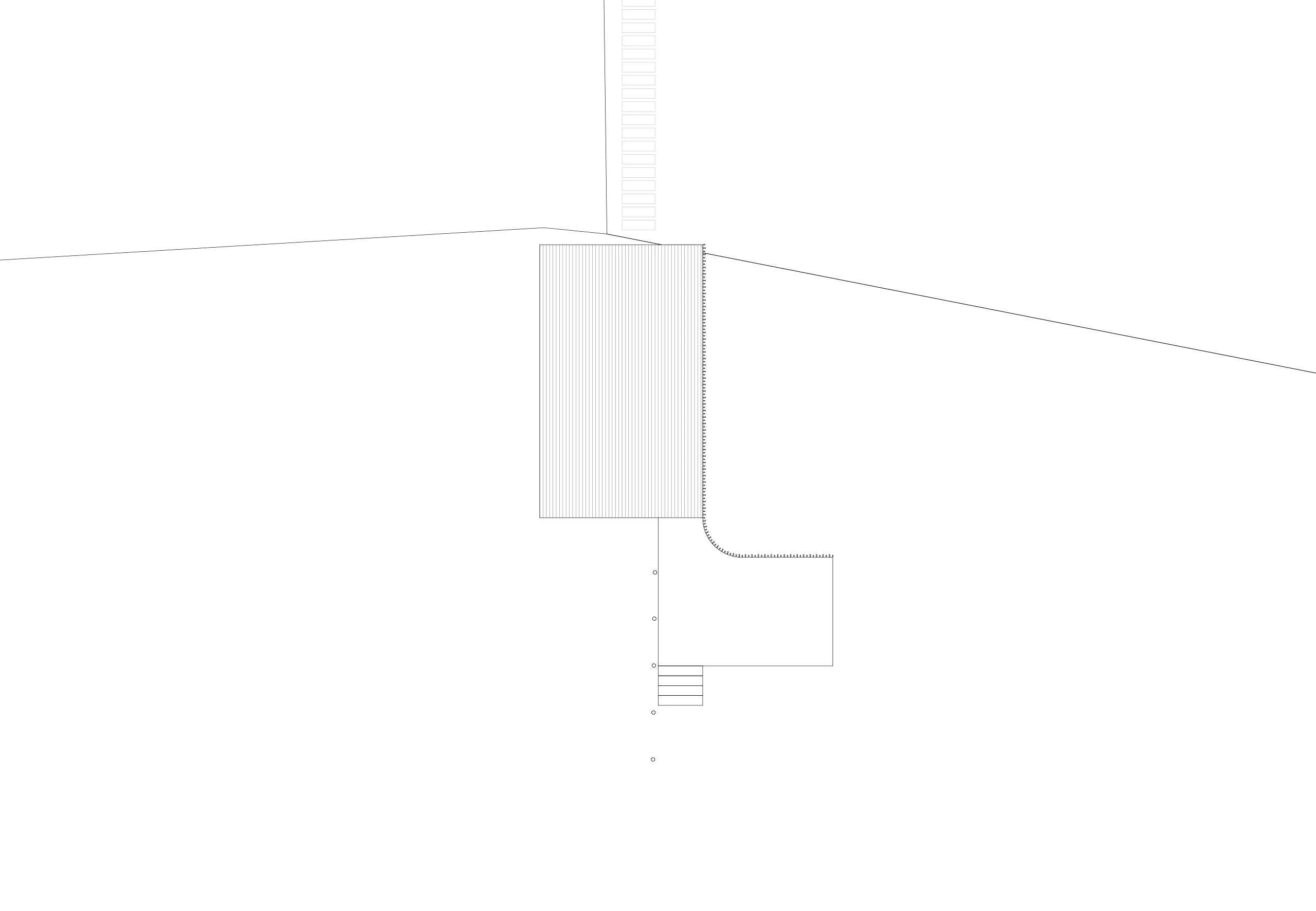
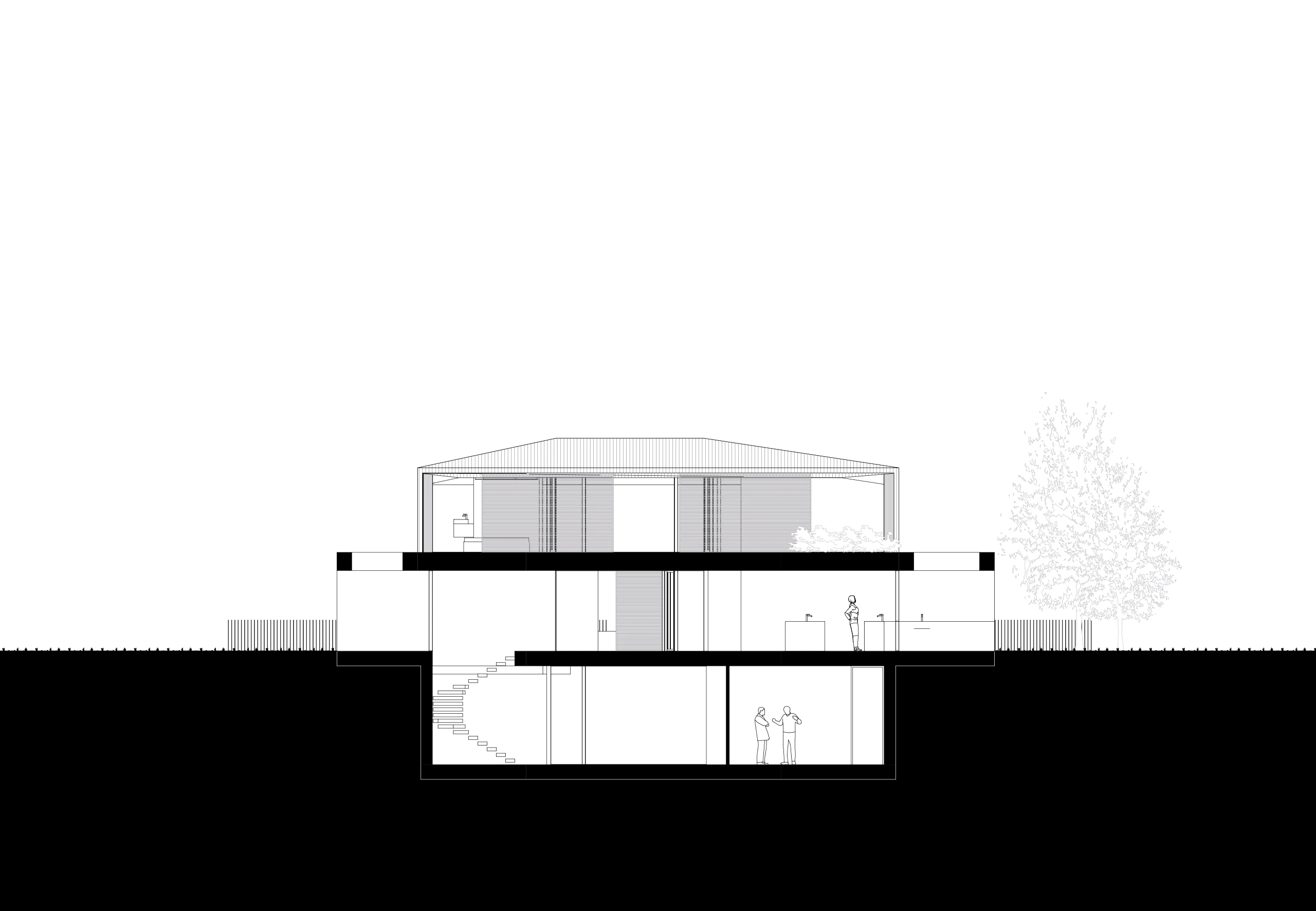
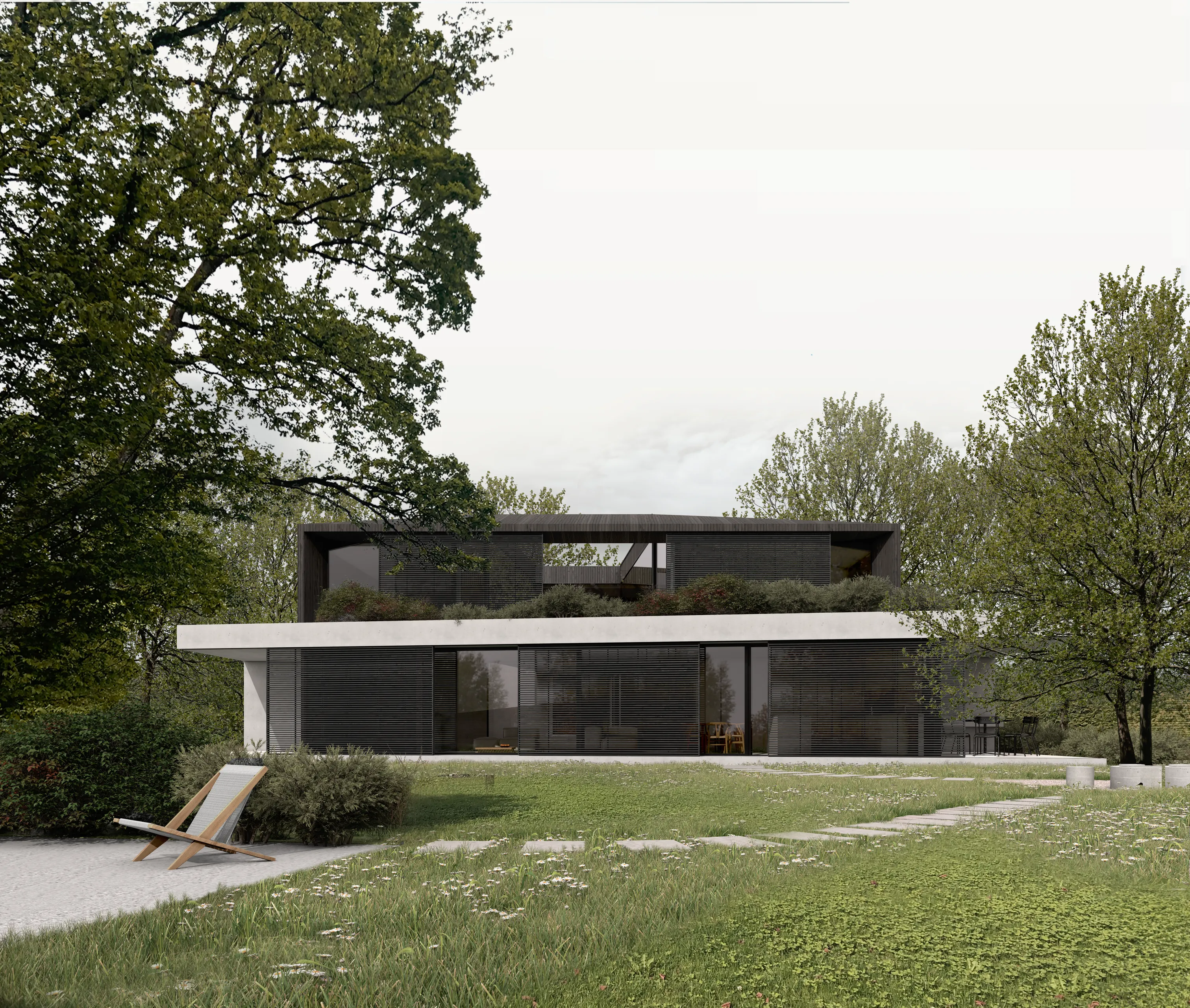
Tenor unfolds over three levels: a recessed basement, an open ground floor with direct access to the lake, and an upper floor that gently integrates into the lakeside silhouette.
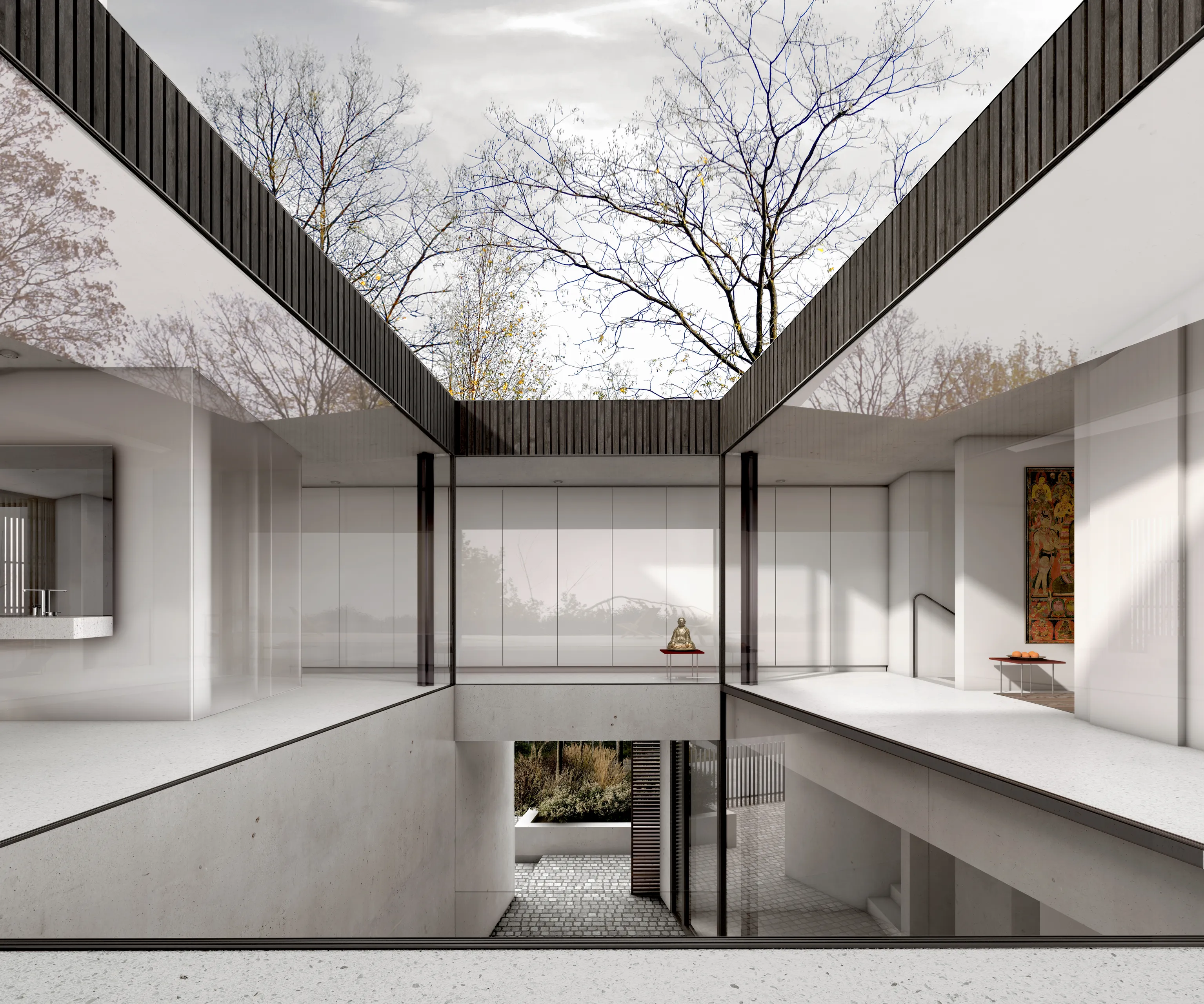
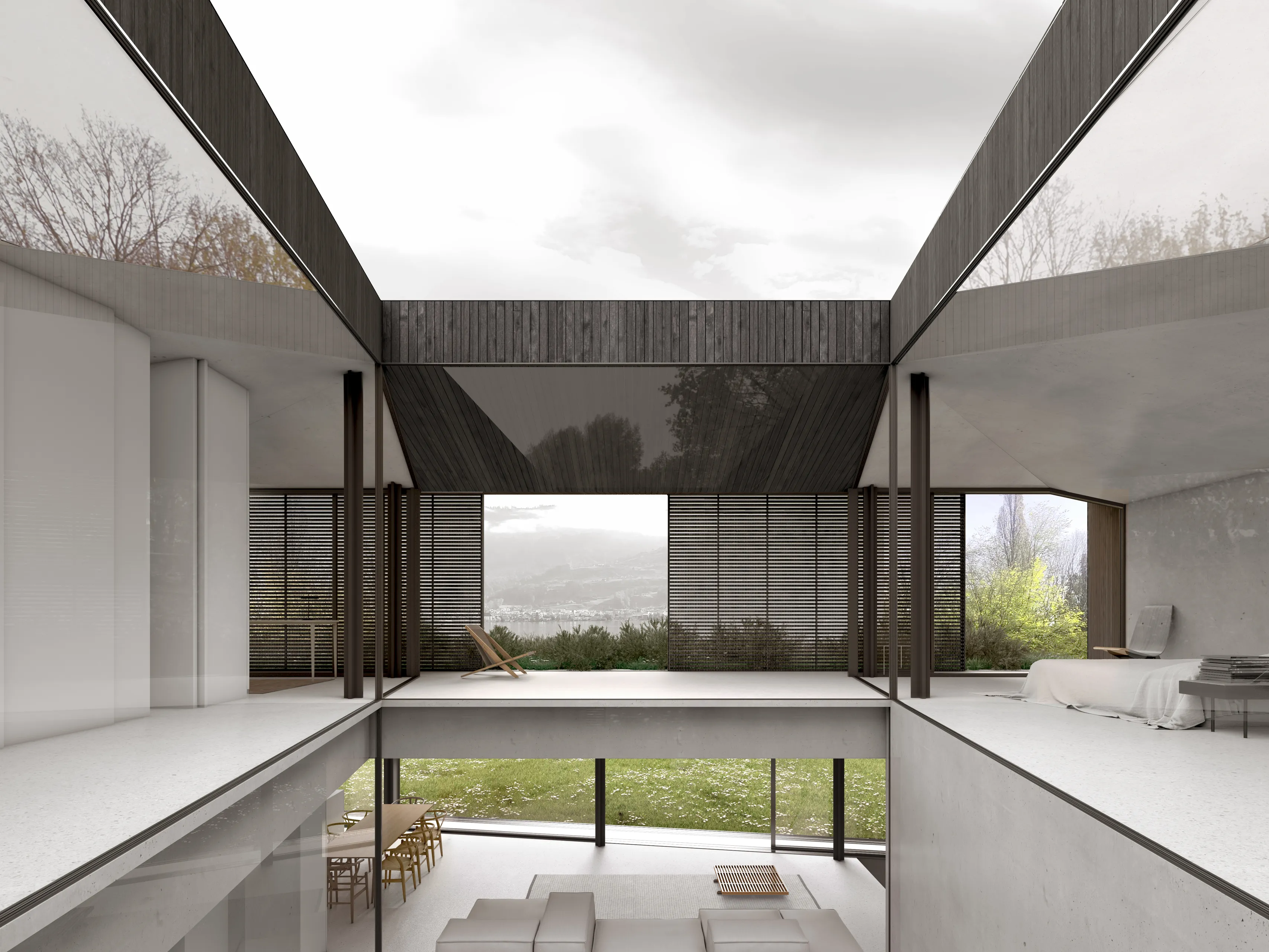
The zoning follows a clear hierarchy: the entrance is accessed from the street side, introverted and sheltered. It is articulated as a precise, roofed incision – oriented towards the lake, accompanied by natural stone paving and subtle vegetation. Inside, the house opens up through fluid spatial sequences toward the lake – with an ensemble of living, dining, and kitchen spaces. A central void connects all levels and creates vertical transparency, daylight guidance, and an unexpected spatial depth.
In Tibetan architecture, vertical space is often seen as a symbolic connection between earth and sky – between the worldly and the spiritual. This idea manifests itself here subtly: as a spatial continuum that channels light, air, and movement – becoming an internal resonance space that does not illustrate the owners' cultural heritage, but spatially interprets it. In its form, the central void recalls the logic of monastic courtyards – calm, ordered, open to the sky.
Architecture and Attitude: Reduction, Grounding, Expansiveness
The architecture of Tenor relies on a quiet, almost self-evident presence. It avoids gestural expression and instead seeks a dense relationship between site, materiality, and proportion.
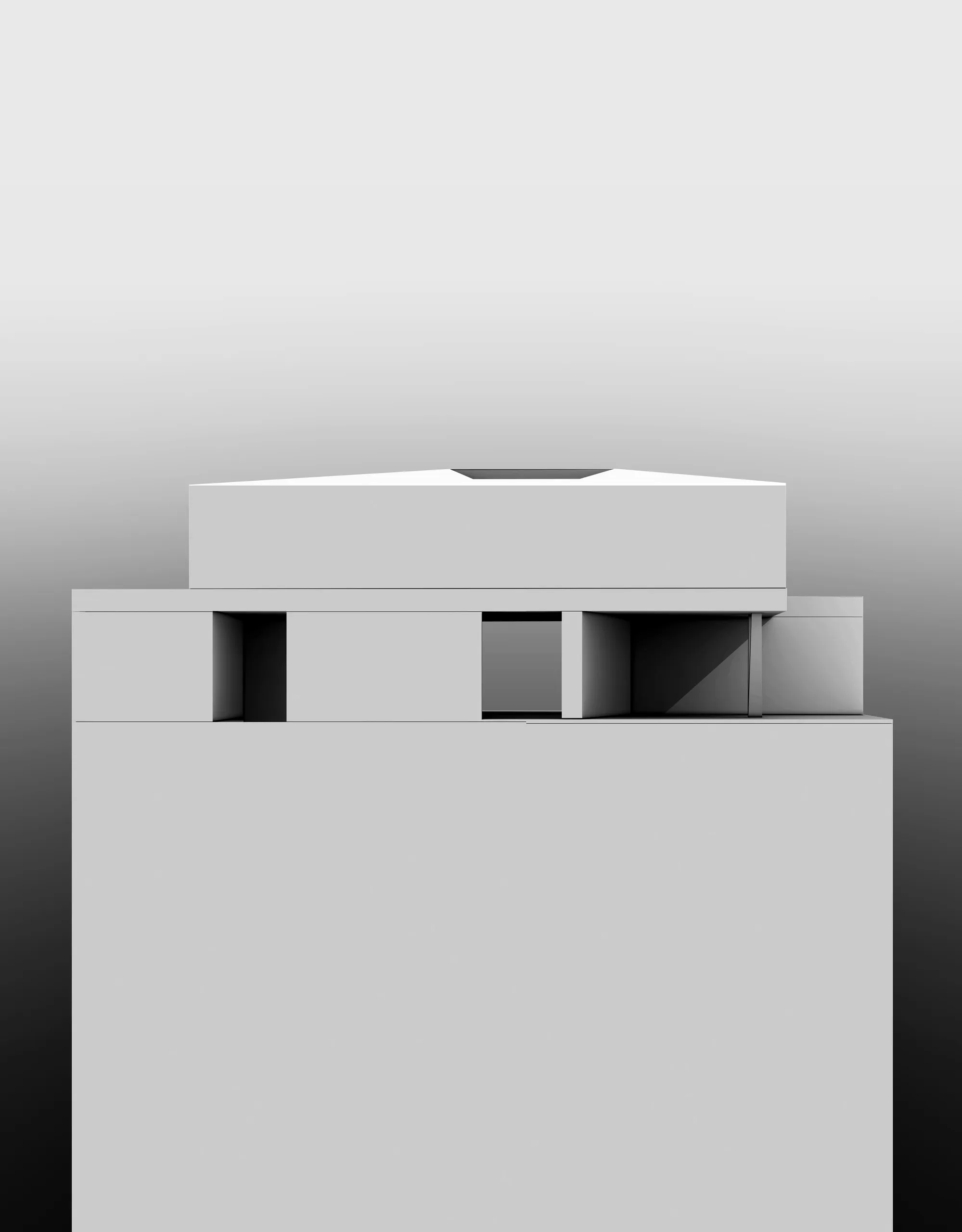
Towards the street, the house appears closed, almost introverted – a contemporary translation of regional building traditions. The entrance is discreetly recessed into the volume, with the threshold to the house consciously articulated as a transition. Towards the lake, the volume opens completely: with expansive vistas, permeable thresholds, and a consistent blurring of boundaries between inside and outside.
This duality – between shelter and openness, external world and internal life – also reflects the dual identity of the owners. The house becomes a place of mediation: between two cultures, two landscapes, two spatial languages.
Materiality and Atmosphere: Nature as Guiding Principle
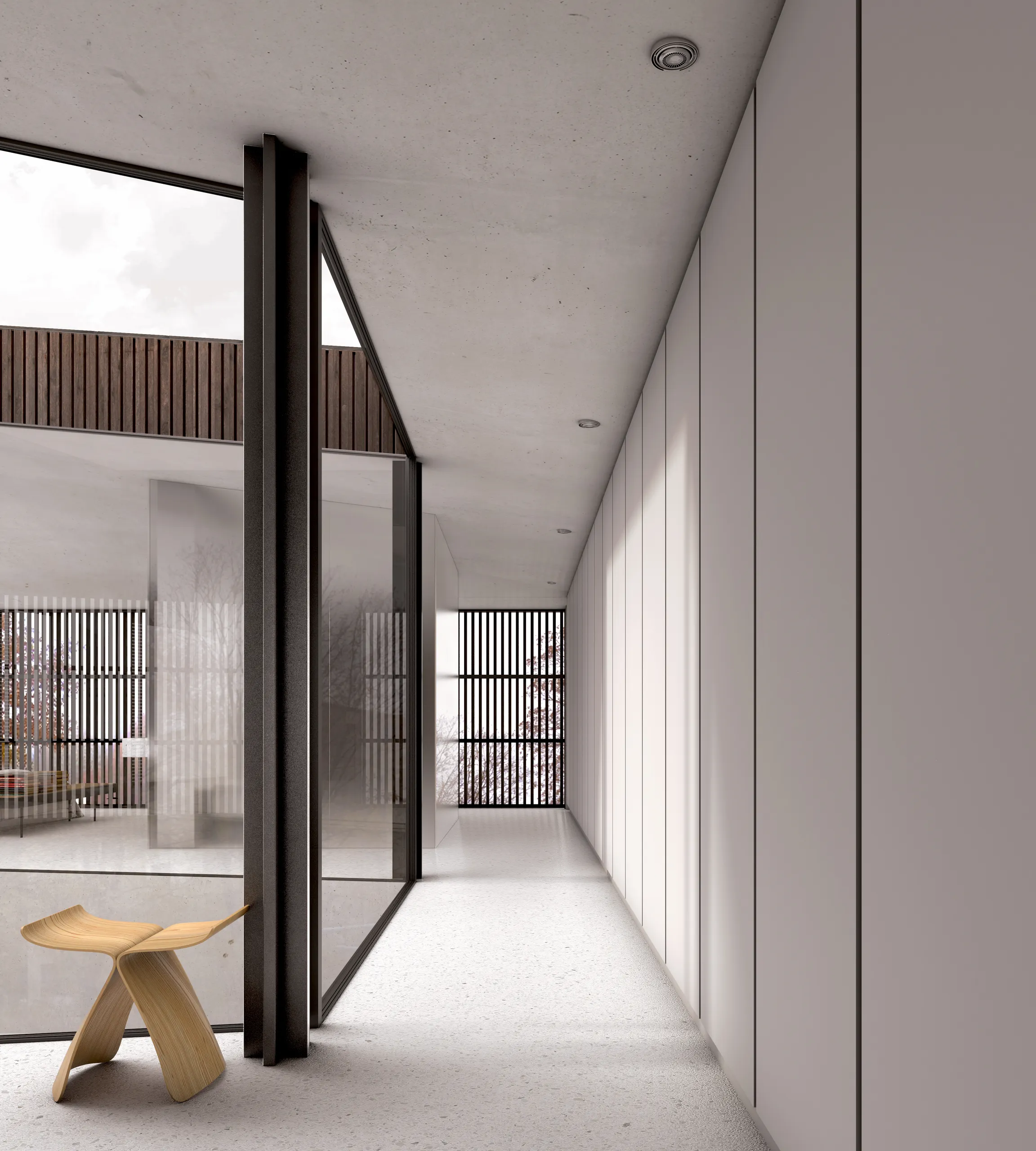
The materiality follows the idea of a restrained sensuality – robust, grounded, warm. Fair-faced concrete, stained wood, white mineral surfaces, and stone textures define the architectural expression.
The dialogue with the landscape takes centre stage: the garden flows into the house, terraces relate to the waterline, and the textures of the facades reflect the tones of the surrounding environment. At the same time, the interior remains deliberately quiet, almost still – as a space for reflection, retreat, and inner expanse.
The result is a house that does not aim for effect, but for belonging – both locally rooted and inwardly open.
A House as an Attitude
Tenor exemplifies an architectural approach developed out of both place and biography – not as a reaction, but as a precise interpretation. It is a house that operates within the tension field of nature, regulation, and cultural identity – and in doing so formulates a new, quiet confidence in how to build.
The strength of this project lies not in spectacle, but in care – in the way inside and outside, origin and presence, openness and shelter are brought into relation.
Tenor is not a gesture, but a thought – built from light, space, and memory.